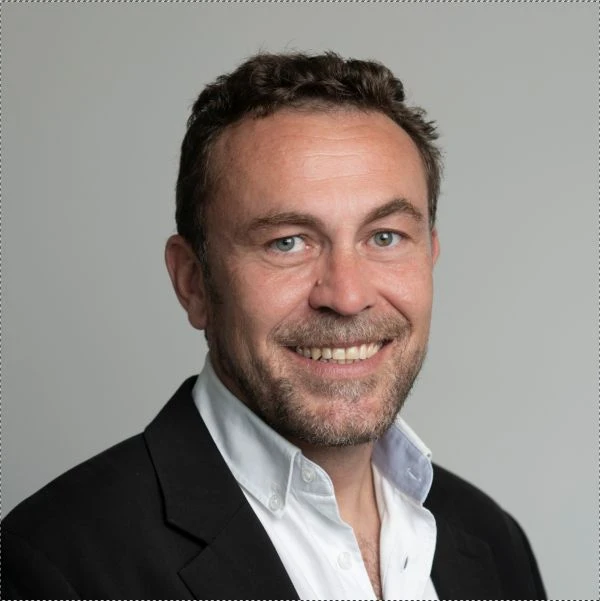



SEMINAR ; Dr Laurent YVAN-CHARVET - Glutamine et inflammation résiduelle dans l’athérosclérose
-
On 19 May 2026IRS Nantes Université
Amphi Denis Escande
Quai Moncousu
NANTESfalse false -
May 19th
at 11 AM
Dr Laurent YVAN-CHARVET, UMR Inserm U1065/UNS, C3M, Nice Title : “ Glutamine et inflammation résiduelle dans l’athérosclérose “. Invited by Aurélie Moreau (Equipe 1)
Laurent Yvan-Charvet is director of research (DR) of the laboratory ‘Physiopathology of Cardiometabolic Diseases’ in Nice. He previously held an affiliation as Director of Innovative Medicine research within Pfizer Cardiovascular and Metabolic Diseases. His laboratory has a longstanding interest in immunometabolism and the therapeutic potential in human diseases. Dr. Yvan-Charvet obtained his Ph.D. in Endocrinology in 2005 from Paris University. He enjoyed postdoctoral training in molecular medicine under the mentorship of Prof. Tall at Columbia University, NY. His research focused on novel antiinflammatory functions of HDL raising therapies (i.e, macrophage and stem cell biology) in the context of cardiometabolic diseases before starting his current research exploring the nodes linking metabolism and inflammation in inflammatory diseases, but also in a constellation of biological processes woven into the immunometabolic fabric. He returned to France in 2013 to set up a laboratory in Nice thanks to a national Atip-Avenir excellence program. He has been promoted to the rank of DR2 in 2018 and DR1 in 2021. The team has adopted a dedicated and integrated approach to identify novel immunometabolic pathways, biomarkers and therapies to fight metaflammation in chronic diseases. Pioneer studies participate to 1) prove the causality of hyperglycemia in metaflammation, 2) identify novel origins of fatty acid-dependent metaflammation, and 3) pinpoint non-canonical glutamine metabolism as a novel and promising immunometabolic pathway at the origin of metaflammation’. This work was supported by a very competitive (ERC)-consolidator Award since 2017 and participated to the creation of a novel University-Hospital Center (IHU) aimed at facilitating translational research and the identification of innovative therapeutic strategies to improve diseases linked to altered metabolism (https://www.oncoage.org/our-teams). The team has developed tools to interrogate in-depth molecular and cellular mechanisms using cultured primary macrophages and to test relevance and causation in vivo using genetically altered mice, including the Cre-lox conditional knockout system. The laboratory has worked in the immunometabolism field for over 15 years with over 150 invitations to international conferences or institutional seminars and has gained a high level of conceptual and technical expertise in this area (citations>13000).