



SEMINAR ; Dr Charlotte VINES - “CCR7 - How do you live with yourself ? “.
-
On 16 June 2026
Faculté de Médecine
1 Rue Gaston Veil
Bâtiment Veil - Amphi 7,
Nantesfalse false -
June 16th 2026
At 11 am
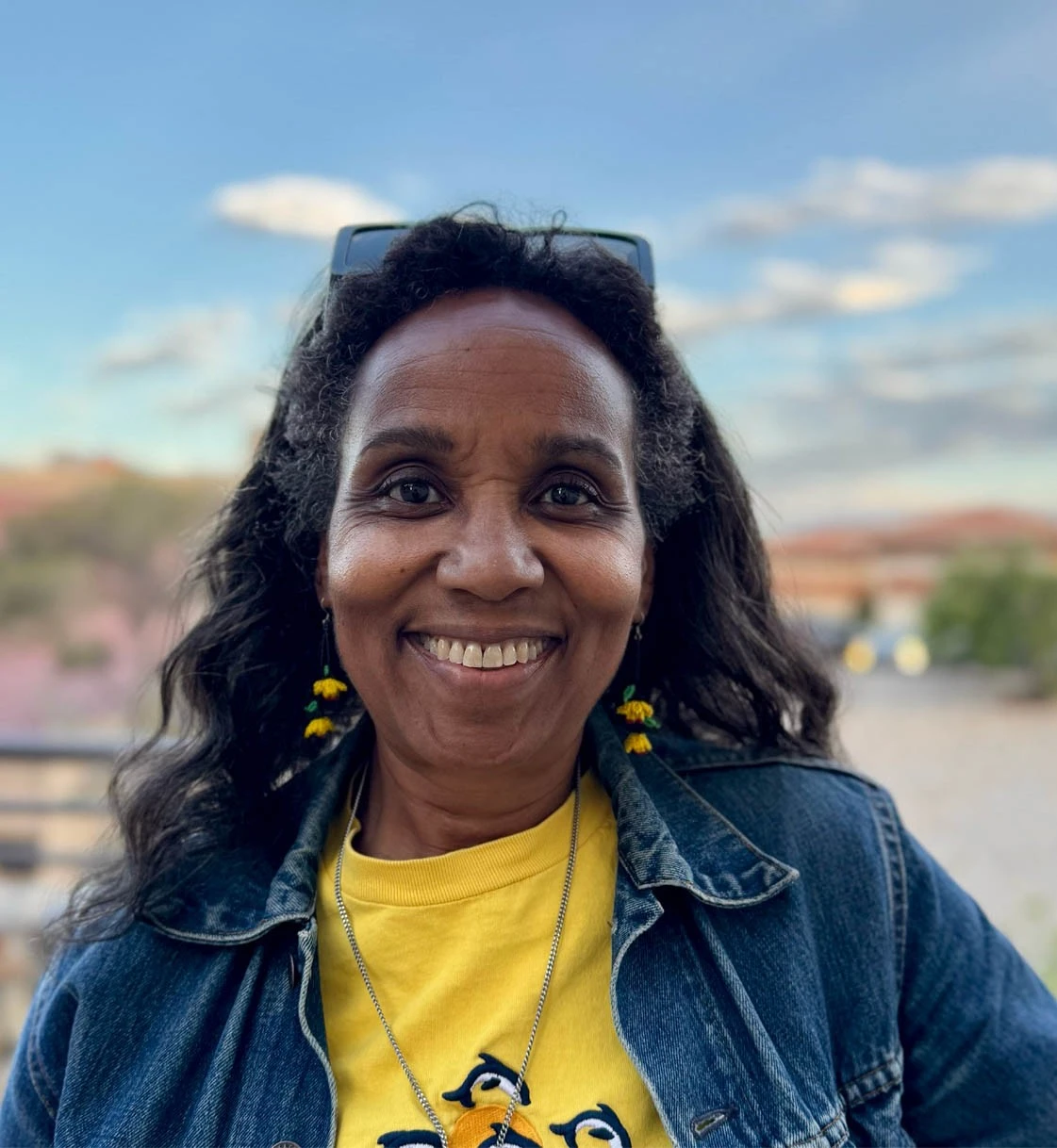
Dr Charlotte VINES, PhD, Associate Professor of Biology, The University of Texas, El Paso Title : “CCR7 - How do you live with yourself ? “. Invited by Matthieu Giraud
Dr. Charlotte Vines is an Associate Professor whose research focuses on defining the cellular and molecular mechanisms that govern signaling in T cells. Following completion of her PhD at Harvard University in Cell and Developmental Biology, she expanded her expertise in signal transduction by investigating pathways that regulate integrin activation — a central process controlling T-cell migration, proliferation, and tissue targeting. During her postdoctoral training, she developed expertise in G protein–coupled receptor (GPCR) signaling in monocytes, studying the human N-formyl peptide receptor and its role in regulating integrin-mediated adhesion and migration. This work provided a strong foundation in chemotactic signaling and its functional consequences in immune cells, and positioned her to launch an independent research program centered on a GPCR of central importance to T-cell biology: C-C chemokine receptor 7 (CCR7). CCR7 regulates integrin-dependent migration in T cells, macrophages, dendritic cells, and neutrophils. Her laboratory has demonstrated that CCR7-mediated migration in T cells is modulated through activation of phospholipase C signaling pathways — observations that have since been independently validated by other groups. She works alongside Dr. Bill, and their findings have been published in close to 40 journals including Immunity, The Journal of Experimental Medicine, The Journal of Immunology, and The Journal of Biological Chemistry, and she has authored multiple invited reviews on phospholipase signaling, with a particular focus on phospholipase C. Building on this foundation, her team has pursued the mechanistic links between CCR7 signaling and autoimmune disease, generating the preliminary data that underpin the work presented here. To do so, we have established a productive research program using complementary human cell based systems, including primary immune cells and a human thymic organoid model. Her integrated background in molecular biology, immunology, cell biology, and organoid systems provides a strong platform for defining how CCR7-activated signaling pathways regulate T-cell migration and thymocyte development, and for determining how these processes shape the diversity of the T-cell receptor repertoire.
Updated on 11 May 2026.